I was having a conversation recently about whether print design is dead, and it's an interesting question for somebody who's spent much of their career working across graphic design, branding and digital. The amount of print we produce at Think today is considerably different from what it was years ago, and there's a reason we describe ourselves as a Creative & Digital agency rather than a Print & Creative one. The way businesses communicate has changed enormously, and we've changed with it. But that doesn't mean print has disappeared from our thinking.
I think print still has an incredibly important place in branding and communication, but its role has changed. We're living in a world where everything needs to be quicker, cheaper, more accessible and easier to distribute. Digital is exceptionally good at those things, and with AI making it easier than ever to produce creative materials, the reasons to invest in traditional print are becoming increasingly difficult to justify. At least, that's how it can appear on the surface.
My view is fairly simple. Print isn't dead, but bad print probably deserves to be. If we're going to produce something physical, something that requires materials, manufacturing, transportation and money, it should have a genuine reason to exist. And ideally, it should be something worth holding on to.
Digital Changed The Rules
There was a time when printing something was practically unavoidable. If you wanted to distribute information, promote an event, share a catalogue or give somebody something to take away, print was often the obvious answer. Now we can put a campaign in front of thousands of people almost instantly, target specific audiences, measure engagement and make changes without having to throw away 5,000 brochures because somebody spotted a spelling mistake. Digital advertising offers opportunities for targeting, interaction and measurement that traditional print simply cannot replicate in quite the same way, and for many businesses it makes complete commercial sense to invest their budgets there instead.
We've all walked past pubs, restaurants, hairdressers and independent businesses displaying posters that have clearly been produced quickly, perhaps with AI-generated artwork and an inexpensive online printing service. As designers, we might look at the typography, composition or print quality and immediately notice things we'd have done differently. But I don't think it's fair to judge those businesses for it. We're business owners ourselves, and we understand the realities of working with tight margins. Spending hundreds of pounds on professionally designed artwork and premium printing isn't necessarily a sensible investment when you need a quick poster advertising next week's lunch special. If the inexpensive solution does the job, there's a perfectly reasonable argument for using it.
And that's an important distinction. Good design isn't necessarily about spending as much money as possible, and we shouldn't defend print simply because it's something we've always done. Digital has replaced an enormous amount of unnecessary printing because it's a more effective solution for those particular jobs. A constantly changing product catalogue probably makes more sense online. A form doesn't become more useful because somebody has to fill it in with a pen. And producing thousands of leaflets simply because that's what the marketing department has always done isn't a particularly compelling strategy. The interesting question now is what print can contribute that digital cannot.
There's Something Different About Holding Something
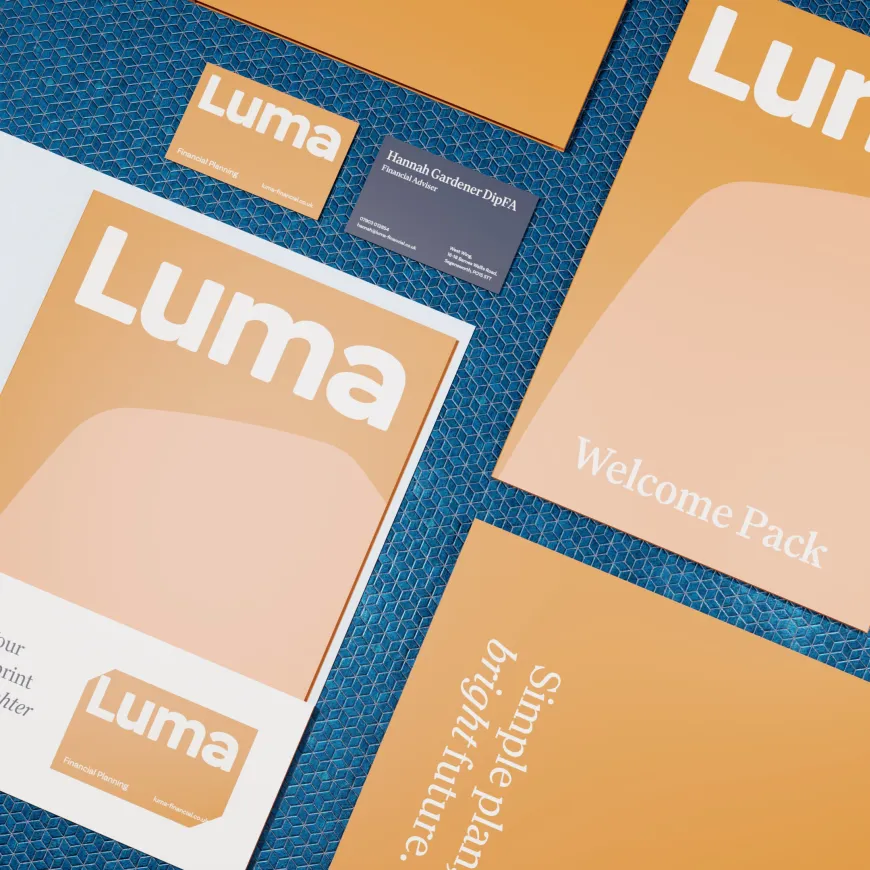
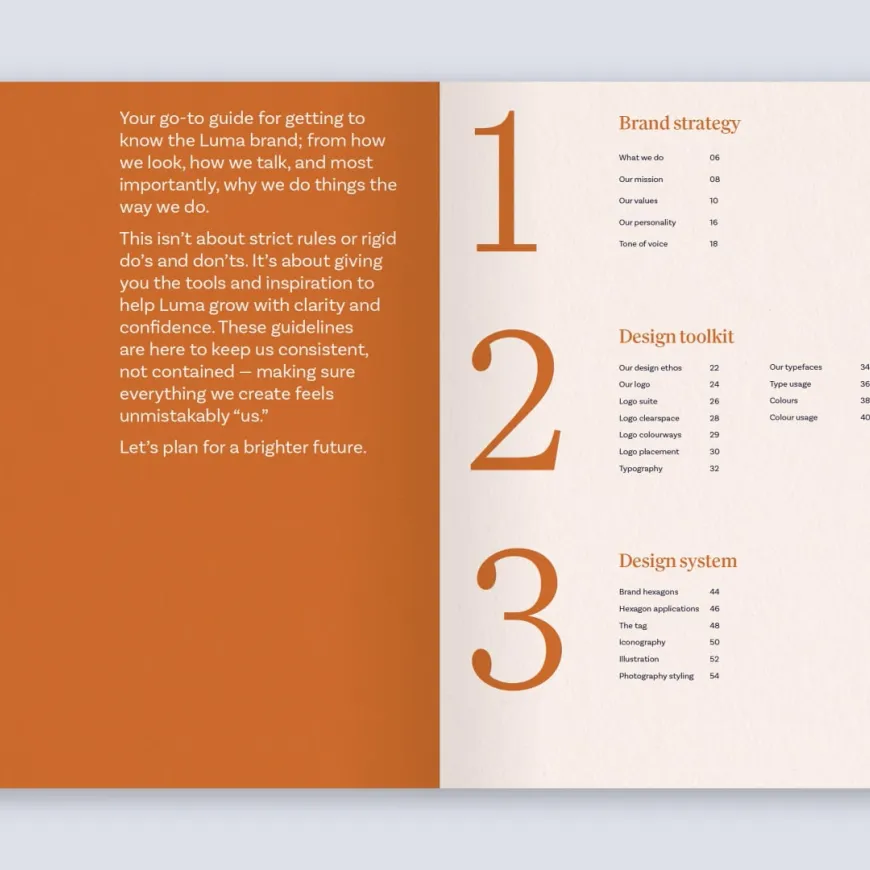
I think the biggest opportunity for print today comes from the fact that it's physical. That might sound painfully obvious, but when so much of our communication happens through screens, having something tangible creates a completely different experience.
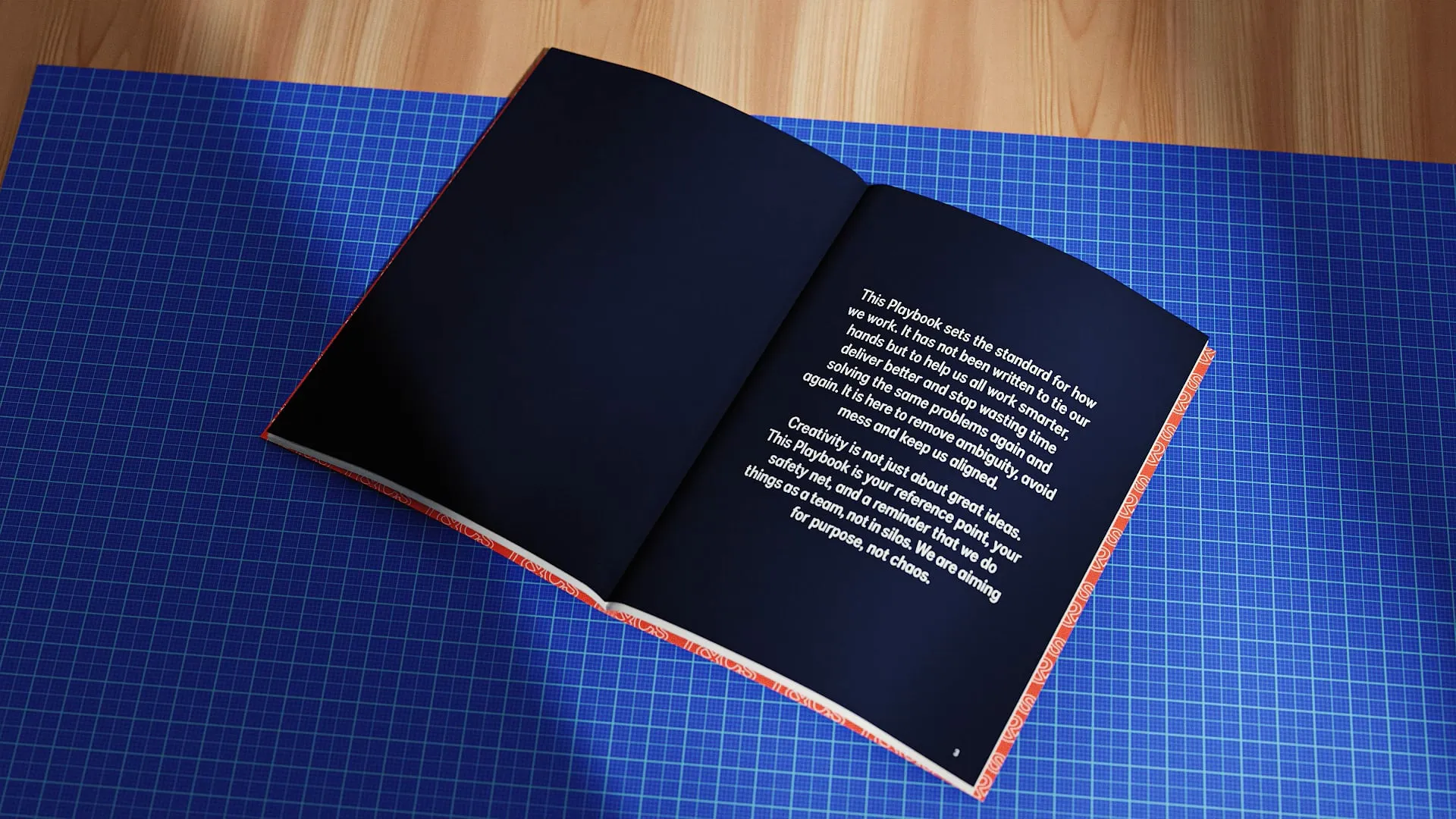
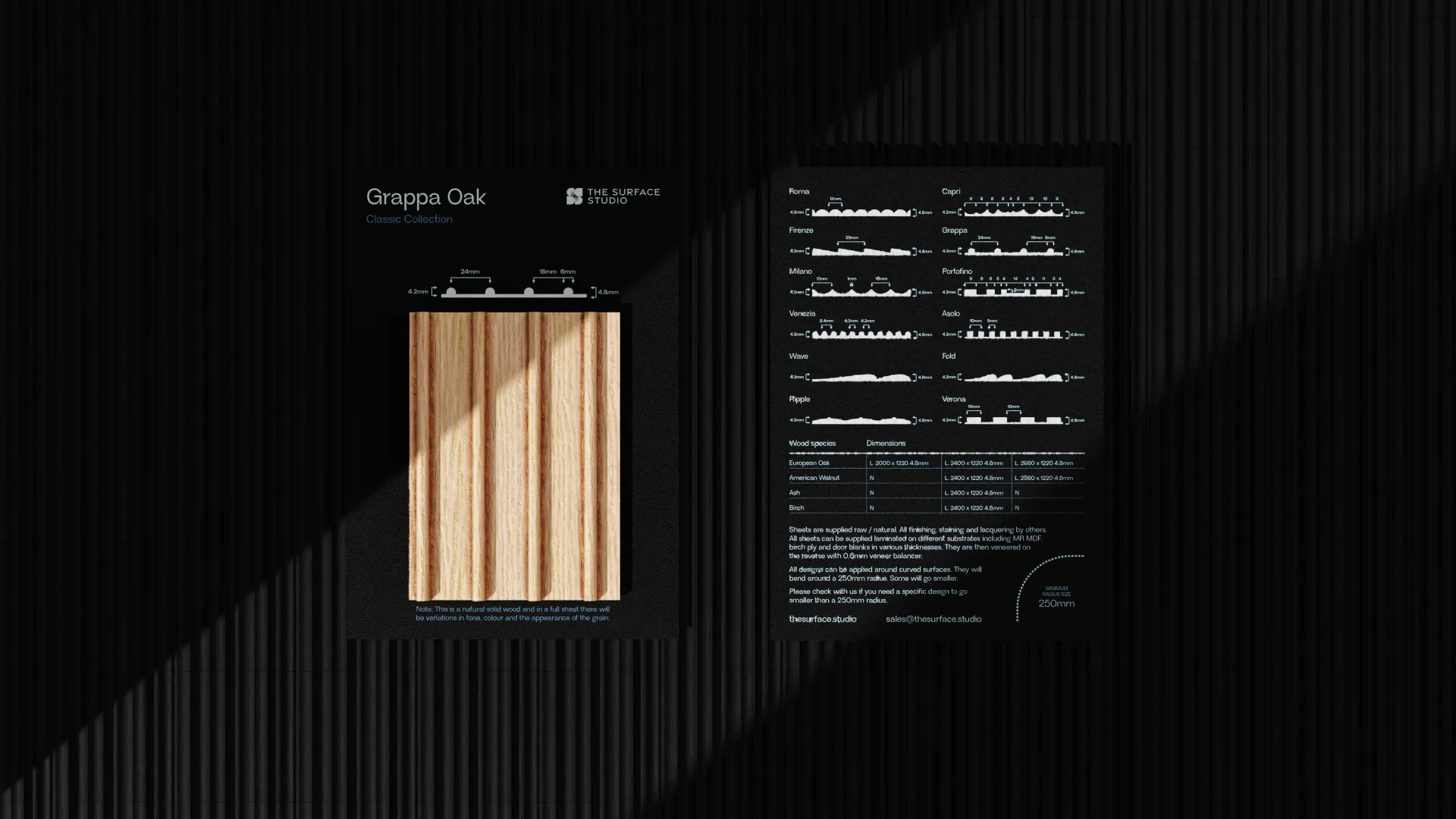
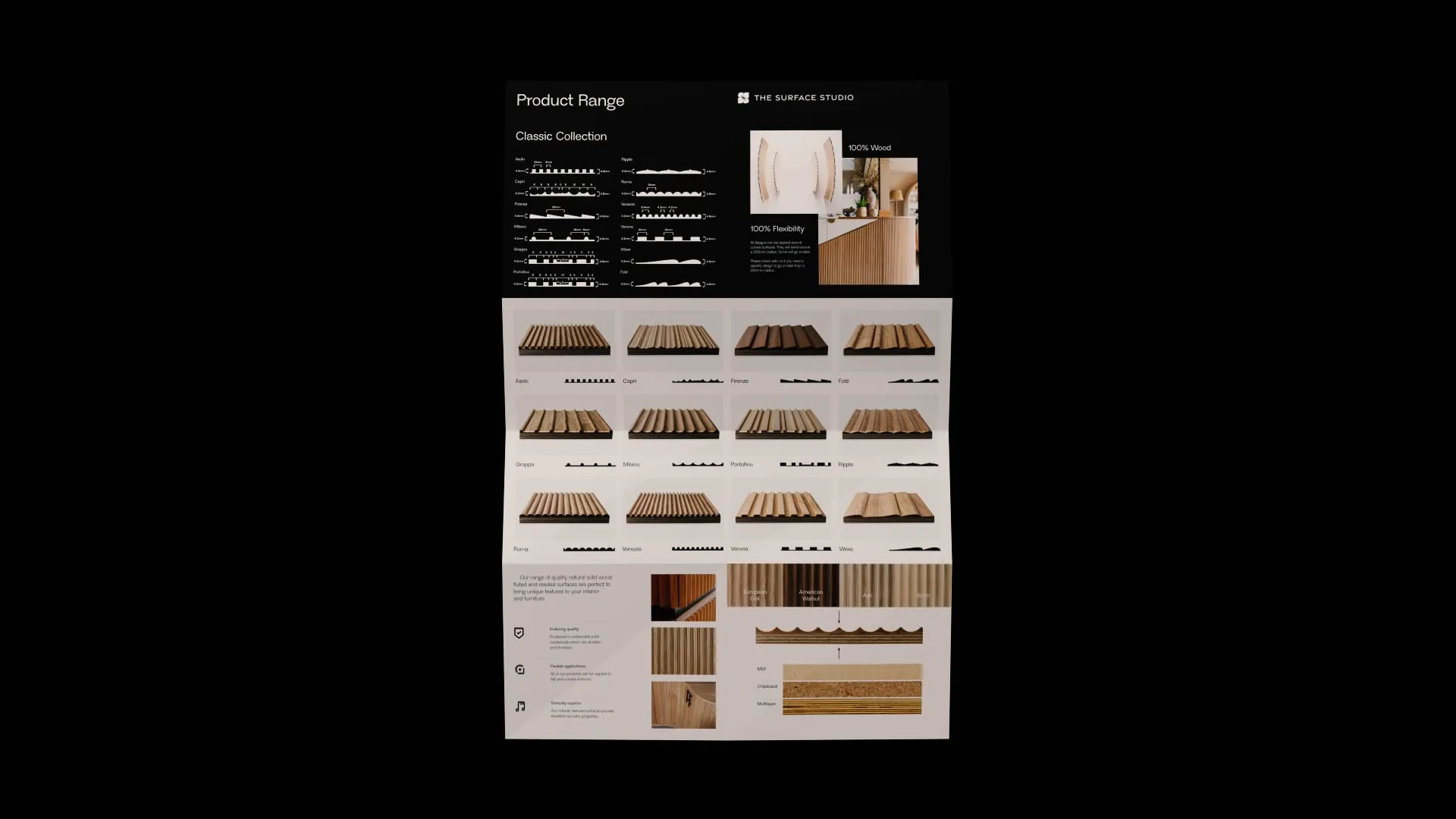
A website disappears when you close the browser. An email gradually disappears beneath another fifty emails, and a social advert might hold your attention for a few seconds before you scroll past it. A beautifully produced piece of print behaves differently. You can pick it up, feel the weight of the paper, appreciate the finish and put it somewhere you might encounter it again. A good brochure can sit on somebody's desk. An invitation can feel personal. A carefully designed business card can become a small but memorable part of an introduction. None of those things guarantees somebody will remember you, but they create opportunities for a different kind of interaction.
I'm more than a bit into watches, and I think there's a similar principle at play. A good mechanical watch isn't necessarily a more efficient way of telling the time than looking at your phone, far from it. I have an Apple watch on my wrist as I write this. In purely functional terms, it is probably more practical. But people don't necessarily buy watches because they need to know what time it is. There's something about the craftsmanship, materials, engineering and consideration that makes the object meaningful. The choices behind it become part of the experience, and for some people, that's where the value lies. I don’t admire my Apple watch, it brings me no joy or excitement when I wear it, but show me a well made swiss watch? I am in awe of them, and I can't stop myself from admiring and absorbing them.
I think good print can work in much the same way. Handing somebody a beautifully considered business card doesn't automatically make you more professional, but it can demonstrate preparation and care. Presenting a thoughtfully produced brochure can reinforce the quality of the product or service behind it. It's another opportunity to communicate the values of the brand through something more than words and pictures on a screen. Of course, not every business needs that. But for the right audience and the right application, it can make a lasting impression.
Making Less, But Making It Matter More
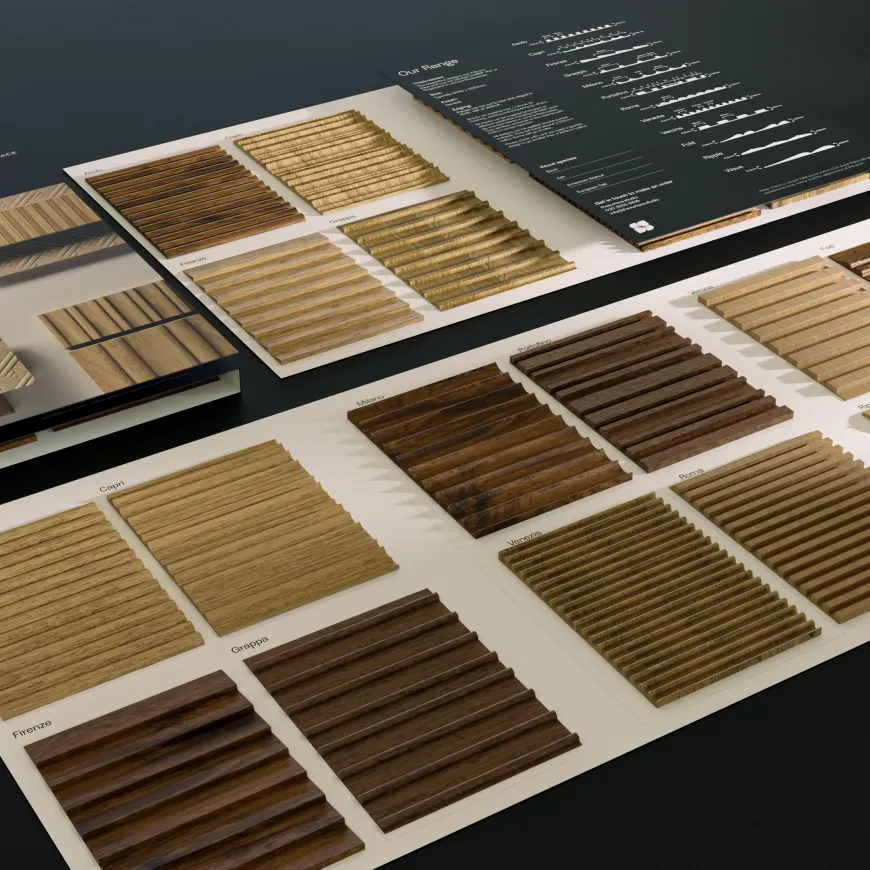
There's an obvious commercial consideration to all of this, and it's one we shouldn't ignore. Premium print costs money. Better paper, specialist finishes, shorter production runs and more complicated manufacturing processes can all increase the investment. Those costs need to make sense in relation to the audience, the product and what you're trying to achieve.
A beautifully produced brochure for a premium property development is a very different proposition from printing thousands of disposable flyers for a short-lived promotion. The appropriate investment isn't necessarily the same, and neither is the return you're hoping to achieve. That's why I think it's important to consider the purpose of a printed piece before getting carried away with the production possibilities.
There's also sustainability to consider. Printing something more expensive doesn't automatically make it more environmentally responsible, and a luxurious finish isn't always the most sustainable option. Materials, coatings, sourcing, production quantities, recyclability and how long the piece is likely to remain useful all matter. Sometimes the right answer is recycled or responsibly sourced paper and a simple finish. Sometimes it's reducing the print run. Sometimes it's creating a more durable object that people are genuinely likely to keep. And sometimes the most responsible decision is not to print anything at all.
But I do think there's a strong argument for being more deliberate about the physical things we create. Rather than producing enormous quantities of disposable marketing materials, perhaps we should be thinking about smaller quantities of better-considered pieces that have a clear role and provide something meaningful to the person receiving them.
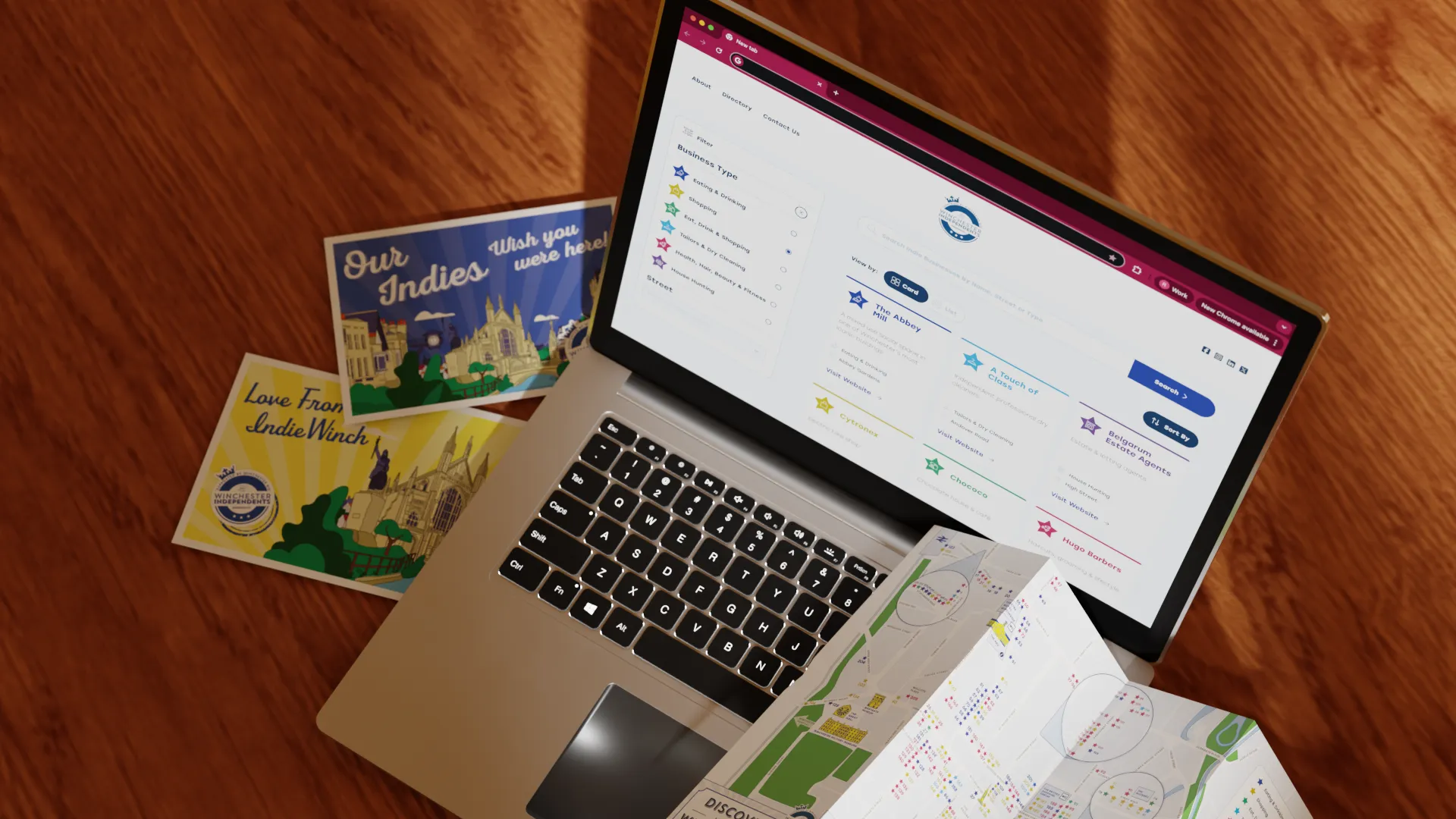
That doesn't necessarily mean luxury for luxury's sake. It means understanding the relationship between cost, purpose, quality and impact, then making choices that support the brand rather than simply adding another item to the marketing budget.The Indie Winch map started out as print, and as it’s populartity grew we build an online directory to support it
Print And Digital Should Work Together
Something I find particularly interesting is that print no longer needs to compete with digital. In many cases, the two are considerably more effective when they work together.
A beautifully produced brochure can introduce somebody to a development before directing them to a website where they can explore availability, floorplans and additional information. Packaging can encourage people to engage with digital content. A printed invitation can become the first interaction in an experience that continues online. Even a simple business card can provide a physical reminder of a conversation while making it effortless to connect digitally afterwards.
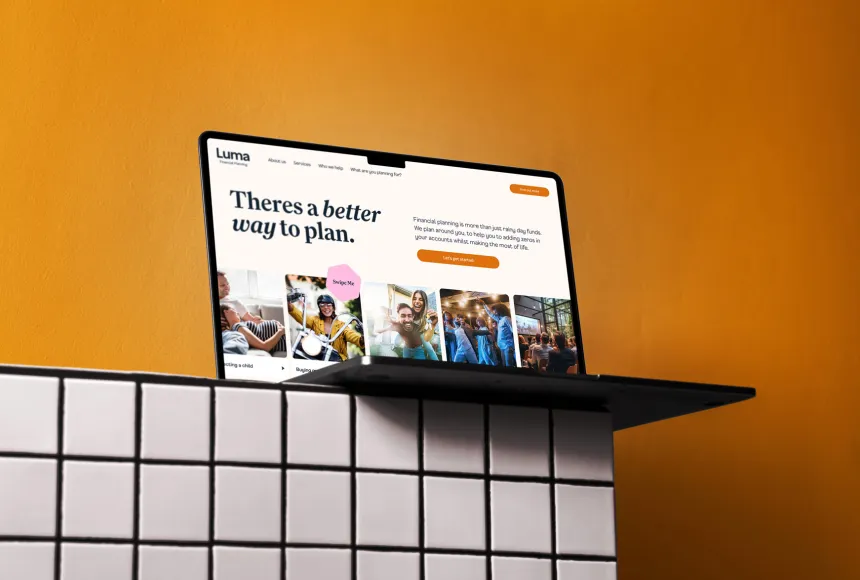
This is particularly relevant to how we approach branding at Think. We don't see visual identity, graphic design, print and digital as entirely separate disciplines. They're different applications of the same underlying brand, each with its own strengths and practical considerations. The website might need to prioritise accessibility, responsiveness and ease of use, while a printed brochure has opportunities around material, format and tactility. The executions may be quite different, but they should still communicate the same character and values.
And that, to me, is what makes the creative side of print so enjoyable. It gives us another medium through which to express an identity, rather than forcing every communication into the same digital format.
If you're developing a new brand, launching a product or considering how printed materials could support your marketing, we can help you work through the creative and practical decisions, from the visual identity and graphic design through to materials, format and production. Sometimes that means making something beautifully physical. Other times it means finding a more effective way of communicating altogether.
Because I don't think the future of print is about producing more of it. I think it's about making the things we do produce genuinely worth the paper they're printed on.