You can have a website that looks great, loads quickly, generates enquiries and technically does everything it was asked to do, while somebody in the office still spends part of every morning opening those enquiries, copying information into the CRM, updating a spreadsheet and letting another team know something has happened. From the outside, the website works perfectly well. Behind the scenes, there is probably quite a lot more it could be doing.
This is one of the areas of development I find particularly interesting, because some of the most valuable improvements we make aren't things a visitor will ever notice. They're the connections between the website and the systems an organisation already uses, making sure information reaches the right place, people don't have to enter the same thing several times and the business has a much clearer view of what happens after somebody clicks submit.
What Happens After Somebody Clicks Submit?
When we're planning a website, a lot of attention naturally goes into the journey leading up to an enquiry, registration or application. Can somebody find the right form, is it easy to understand, does it work properly on a phone and are we only asking for the information we genuinely need? All of those things matter, but from a development point of view I think the next question is just as important: what happens to that information afterwards?
If somebody submits an enquiry and the end result is an email arriving in an inbox for somebody to copy into another system, we've only really solved the customer-facing half of the problem. Depending on the organisation, that information might need to create a contact in the CRM, update an existing record, trigger a marketing journey, become visible inside a customer's account or simply let the right person know that something needs their attention.
That's where connecting a website properly to the rest of the business starts to pay dividends, particularly when the same actions are happening dozens or hundreds of times every month.
There is a measurable cost to that sort of manual administration. Salesforce's 2026 State of Sales research surveyed 4,050 sales professionals across 22 countries, including the UK, and found that sales reps spend 13% of an average working week manually entering data. On a 40-hour week that's just over 5 hours. A website-to-CRM integration obviously isn't going to magically eliminate every minute of CRM administration, but it demonstrates how quickly repetitive data entry can become a meaningful cost once it's multiplied across a team and over an entire year.

Connect The Website To The Way The Business Actually Works
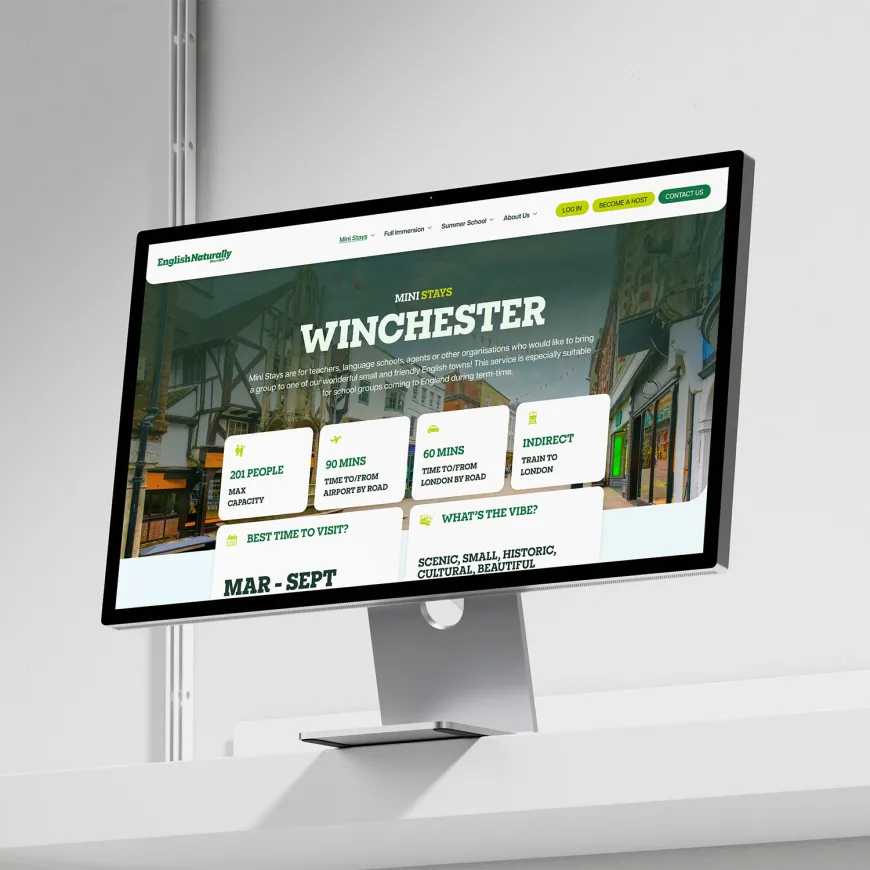
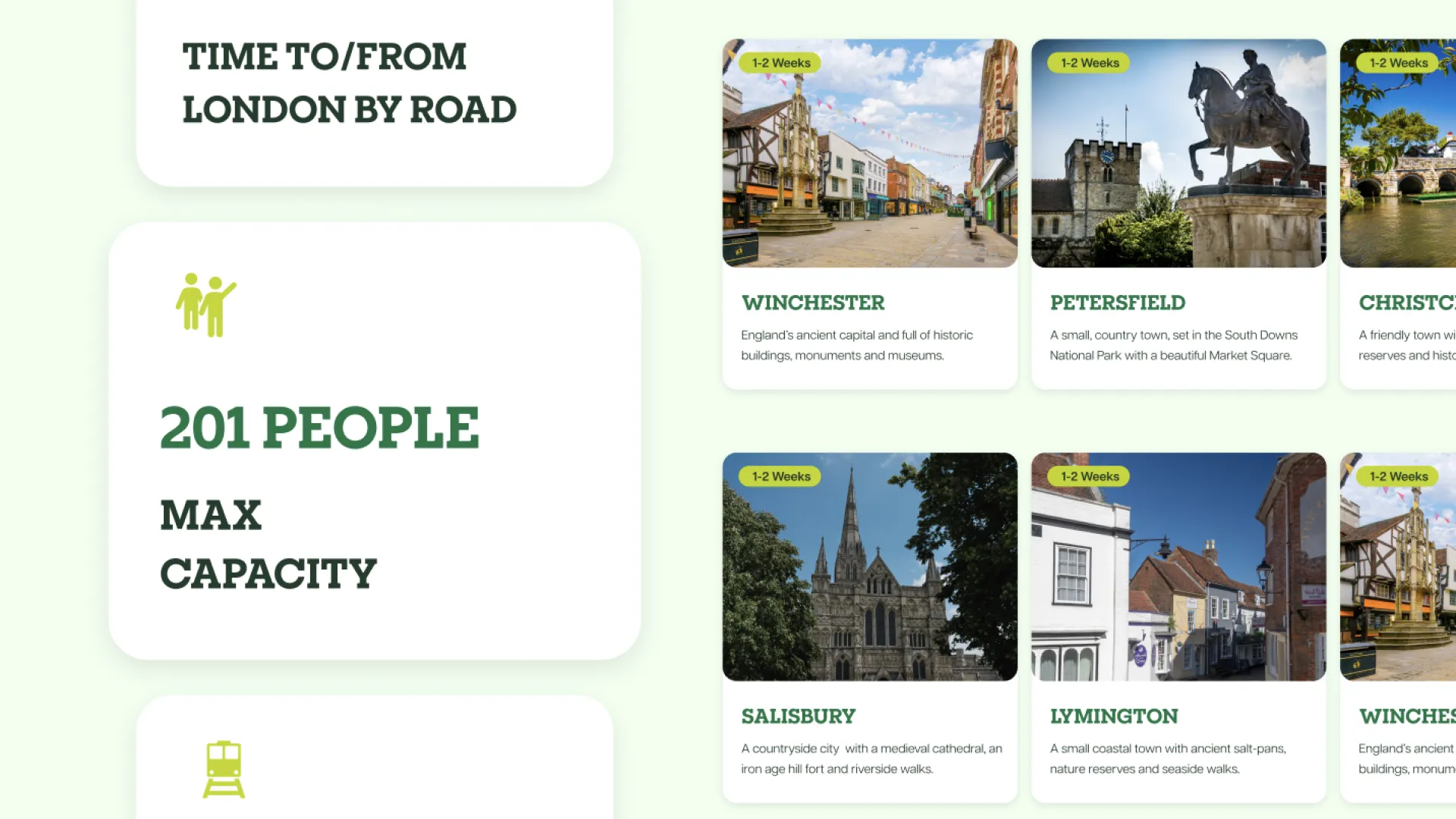
We've approached this with English Naturally, where the public-facing website is only one part of a much wider digital journey. Host families can create accounts and interact with the website, while enquiries and new account information also need to feed into Maximizer, the CRM the organisation already uses for managing relationships and communications.
Rather than creating a separate pool of website users that somebody then has to reconcile manually, the systems are connected so activity on the site can form part of the wider customer record. New enquiries and accounts can feed through into Maximizer, which means the organisation can continue using the marketing and communication processes it already understands without maintaining two disconnected versions of the same person. For the user, none of this should feel particularly clever. They create an account, submit the information they need to submit and receive the right communications afterwards. The value is largely behind the scenes, where the team has a more consistent flow of information and considerably less reason to copy data from one system into another.
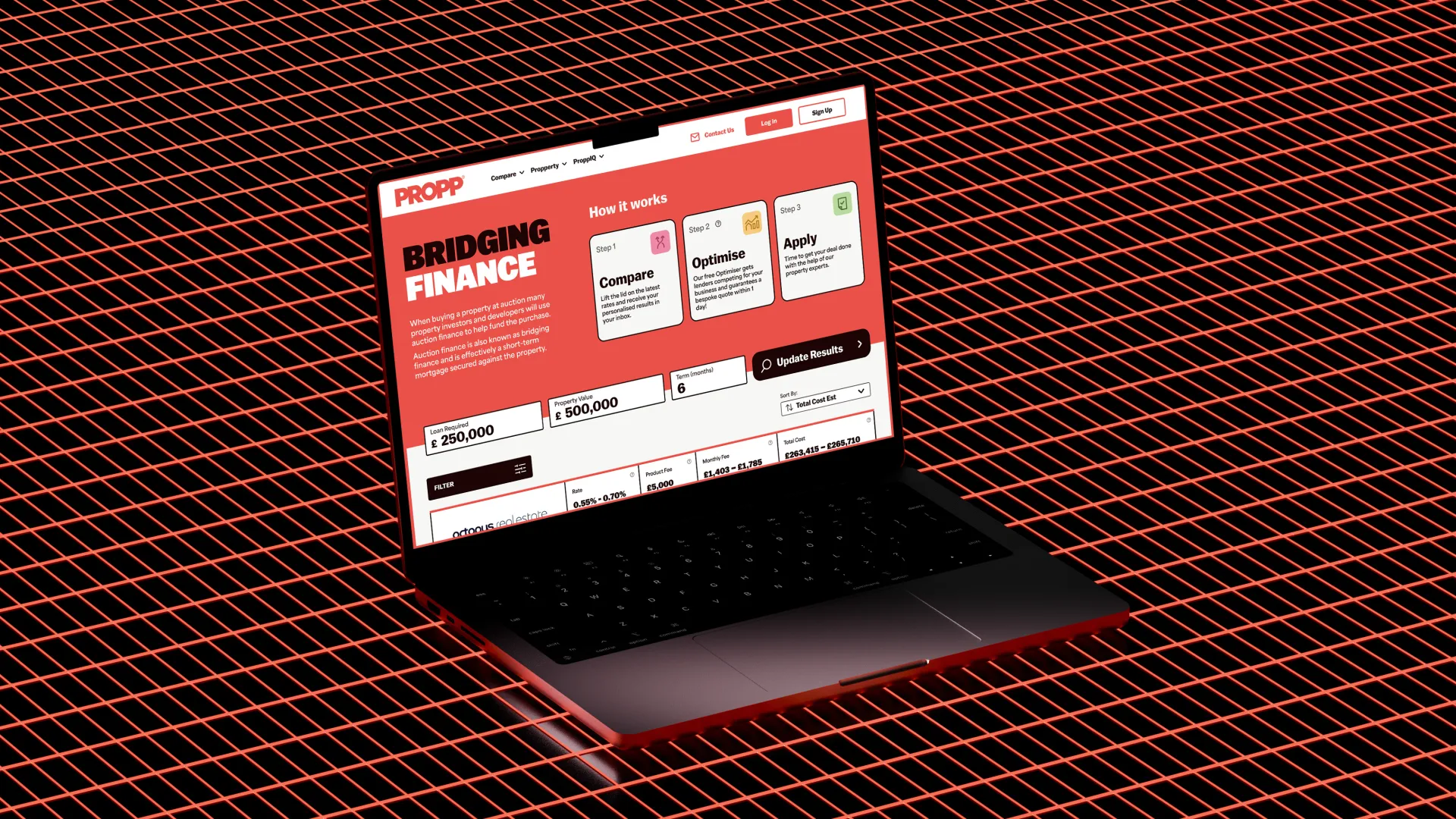
We've taken a similar approach with Propp, although the requirements are quite different. Users have their own account area where they can manage activity within the platform, but relevant information also feeds into Salesforce so the Propp team can continue tracking leads, understanding conversions and managing the commercial relationship through the system they already use internally. That's an important point, because building a sophisticated website doesn't mean asking the organisation to abandon all of its existing tools and start again. Often the much more sensible solution is making the website work properly with the systems that are already central to the business.
Integration Is More Than Sending Data From A To B
From a development perspective, an integration can sound deceptively simple. Someone completes a form, we send the information to the CRM and we're done. Sometimes it genuinely is close to that straightforward, particularly when two systems have well-supported APIs and the requirement is relatively contained, but more complicated workflows quickly introduce questions that need to be thought through properly.
Which system owns the authoritative version of the customer record? What happens if somebody already exists in the CRM? If they change their details on the website, should that update elsewhere automatically? What happens if one of the services is unavailable when a form is submitted? Which members of staff can access the information, and how do we make sure we're only moving the data that genuinely needs to be shared? These aren't particularly glamorous questions, but they're exactly the sort of decisions that determine whether an integration remains useful six months after launch or gradually becomes another system somebody has to work around.
It's one of the reasons we increasingly use Laravel for projects with more involved business logic and integrations. It gives us a structured foundation for building workflows around the organisation rather than trying to force everything through the assumptions of a collection of plugins, although Laravel isn't automatically the answer either. If a reliable existing connector already does exactly what's needed, there is little value in developing something bespoke simply for the sake of it. The important thing is understanding the process first, then choosing the technology that makes the most sense.
Better Data Is Part Of The Return
Saving somebody from repetitive administration is probably the easiest benefit to understand, but I think the value goes further than simply getting a few hours back. When information flows consistently into the CRM, the organisation also has a better opportunity to understand what's actually happening. Which enquiries become customers? Which services are generating interest? Where are people dropping out of the journey? Are particular campaigns producing useful leads, and what happens to those people after they initially make contact?
Salesforce's research also highlights the wider problem of fragmented data, with manual errors and duplicate records among the concerns identified by sales teams, while organisations are increasingly trying to consolidate information that has become spread across multiple tools. Connecting systems properly doesn't automatically produce perfect data, but it removes some of the unnecessary opportunities for the same information to be copied, changed or forgotten along the way.
That can make the original development investment much easier to justify over time. You're not only improving the website somebody sees. You're reducing repetitive work, creating cleaner information and giving the organisation a better foundation for understanding its customers and planning what happens next.
The Best Integrations Should Feel Quite Boring
When this work is done properly, the experience can actually feel surprisingly uneventful. Somebody submits a form, the right record is created or updated, the correct team can see it and whatever needs to happen next simply happens. Nobody celebrates because an employee didn't have to copy an email address from one system into another, but multiply that tiny improvement across hundreds of interactions and it starts becoming much more meaningful.
At Think, that's why we don't really see the website as an isolated marketing object anymore. For a lot of organisations it's one part of a wider digital system, connecting customers, internal teams, CRMs, marketing platforms and operational processes, and the more those relationships are considered from the beginning, the more useful the finished website can become.
A great website should absolutely look good and be easy for customers to use, but if the person running the business still has to spend every morning copying information out of it, there is probably another conversation worth having.