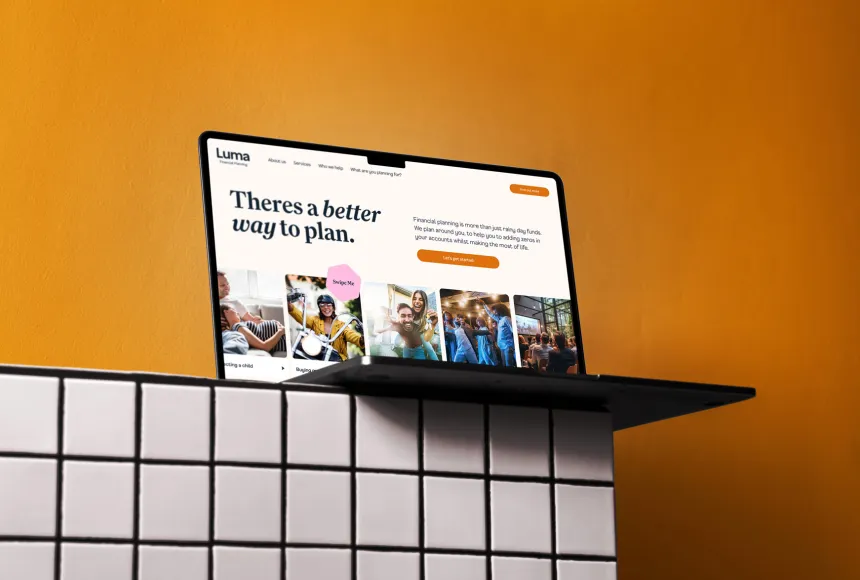
One of the interesting things we've noticed over the years, working with such a range of clients and organisations, is that very few people start a conversation by saying they need a web platform. Usually, they need a website. Something that explains what their business does, communicates their services, looks fantastic and helps people get in touch. All perfectly reasonable. But businesses evolve, technology moves quickly and the expectations people have of websites are constantly changing. What starts as a relatively straightforward marketing website can gradually become something considerably more complicated, often without anyone consciously deciding that's what they were building.
It usually happens one request at a time. Could customers have their own accounts? Could they log in and manage information? Could we introduce a booking system, connect everything to our CRM or allow people to submit applications? Perhaps the business needs a searchable directory, a comparison tool or a dashboard that gives different users access to different information. Individually, these might seem like relatively small additions, but collectively they can fundamentally change what the website needs to do. And that's where I think it's worth having a conversation about the foundations, particularly if you're planning a new website and already have an idea of where the business might be heading.
From Brochure To Application
I tend to think of the difference between a website and a platform as being similar to the difference between a brochure and an application. A traditional marketing website is primarily there to communicate. It introduces the organisation, explains its services, shares information and encourages visitors to take the next step. A platform introduces another layer, allowing people to interact with information, complete tasks, manage accounts or use functionality that supports a particular part of the business. The distinction isn't absolute, and plenty of websites do a bit of both, but it's a useful way to understand how the requirements change.
The interesting bit is that users rarely think about any of this. They don't particularly care whether they're interacting with a website, an application or a combination of the two. They simply expect things to work. As technology has become more accessible, those expectations have increased. People are accustomed to managing their accounts, making bookings, tracking information and completing complicated tasks online, often without needing to speak to anybody. For businesses, that creates some fantastic opportunities to improve services, reduce administration and make life easier for customers. But it also means that something originally built to publish information might eventually need to support a much more significant part of the organisation.
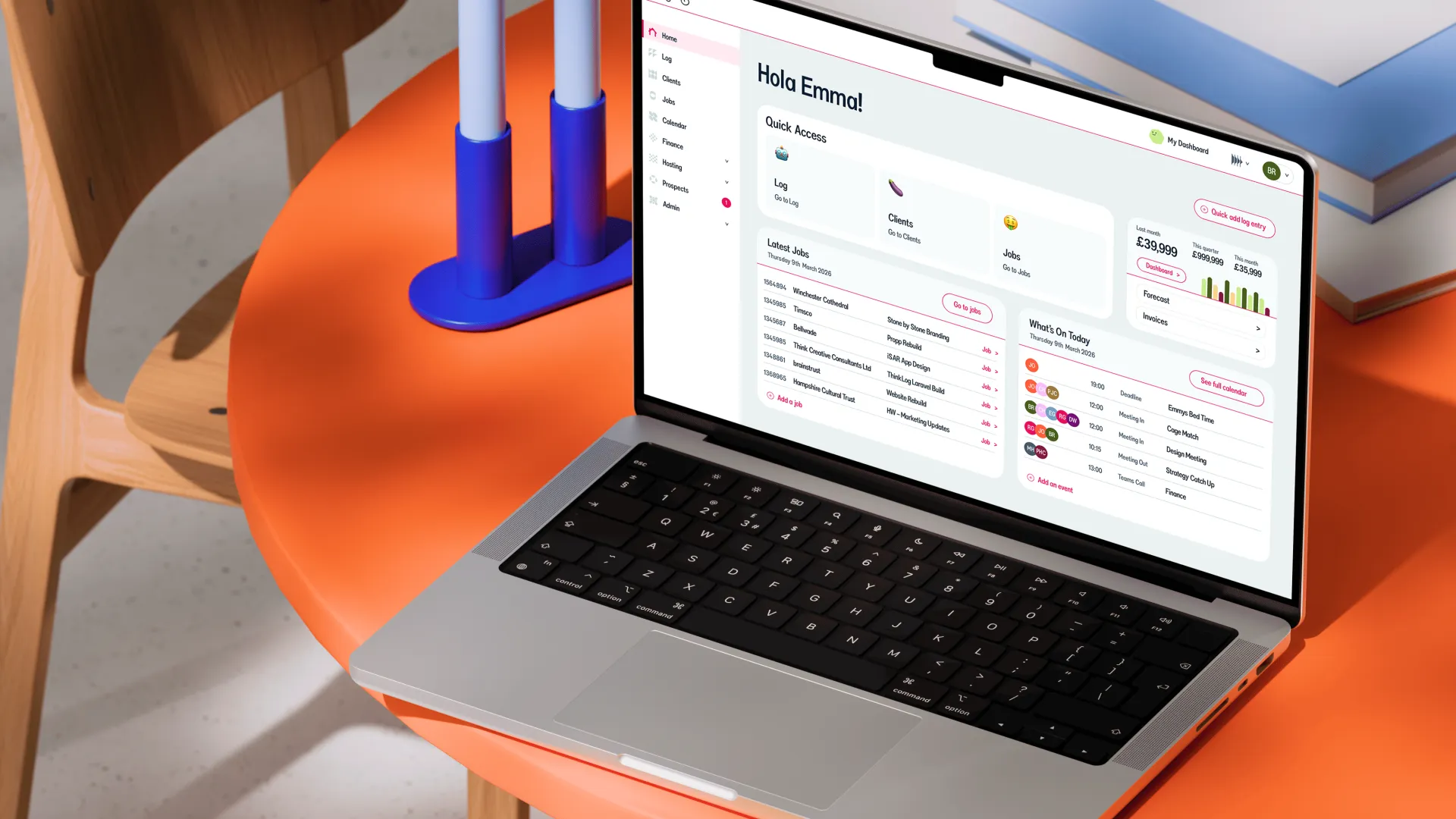
That matters because the technical considerations become very different. Instead of simply thinking about pages and content, we're considering how information is structured, how different systems communicate, who can access particular data and what happens when something goes wrong. Security, performance, testing and ongoing maintenance all become increasingly important, particularly when the website is handling information or functionality that people depend on to do their jobs.
Choosing The Right Foundations
This is where I think the conversation between WordPress and Laravel becomes particularly relevant. We work with both at Think, and I'm not especially interested in arguing that one technology is universally better than the other. WordPress is an incredibly capable platform, and for many businesses it's absolutely the right choice. It's familiar, flexible, relatively accessible and has an enormous ecosystem of established functionality. If you're building a marketing website with fairly conventional requirements, it can be an excellent way to get something professional and effective online without investing in a more complicated development process.
WordPress can also do far more than people sometimes give it credit for. We can build bespoke functionality, integrate external services, create custom content structures and develop sophisticated websites using it. The challenge tends to arrive when increasingly complex requirements are introduced over time, particularly if the website begins relying on lots of separate plugins that weren't originally designed to work together. Each additional dependency introduces another consideration around compatibility, maintenance and updates. Sometimes those things work beautifully together, but sometimes the effort required to maintain the connections starts becoming more complicated than the functionality itself.

That's not to say Laravel magically removes those problems. Any website or application can suffer from poor development decisions, security vulnerabilities or performance issues, regardless of its underlying technology. The difference is that Laravel gives us a framework for building bespoke functionality around the requirements from the outset, rather than continually adapting an existing content management system to accommodate them. We can structure the data, workflows, integrations and application logic around what the business actually needs, while using something like Statamic to provide a straightforward content management experience for the people running the website.
For organisations that know they're heading towards more complex functionality, that's often the direction we'd recommend. It can involve a greater investment at the beginning, particularly when compared with a relatively simple WordPress build, but the value comes from having an architecture that's been considered with future development in mind. That doesn't guarantee lower long-term costs, but it can reduce the need for expensive workarounds or rebuilding parts of the website when the requirements become more ambitious.
We've Seen It Across Our Own Projects
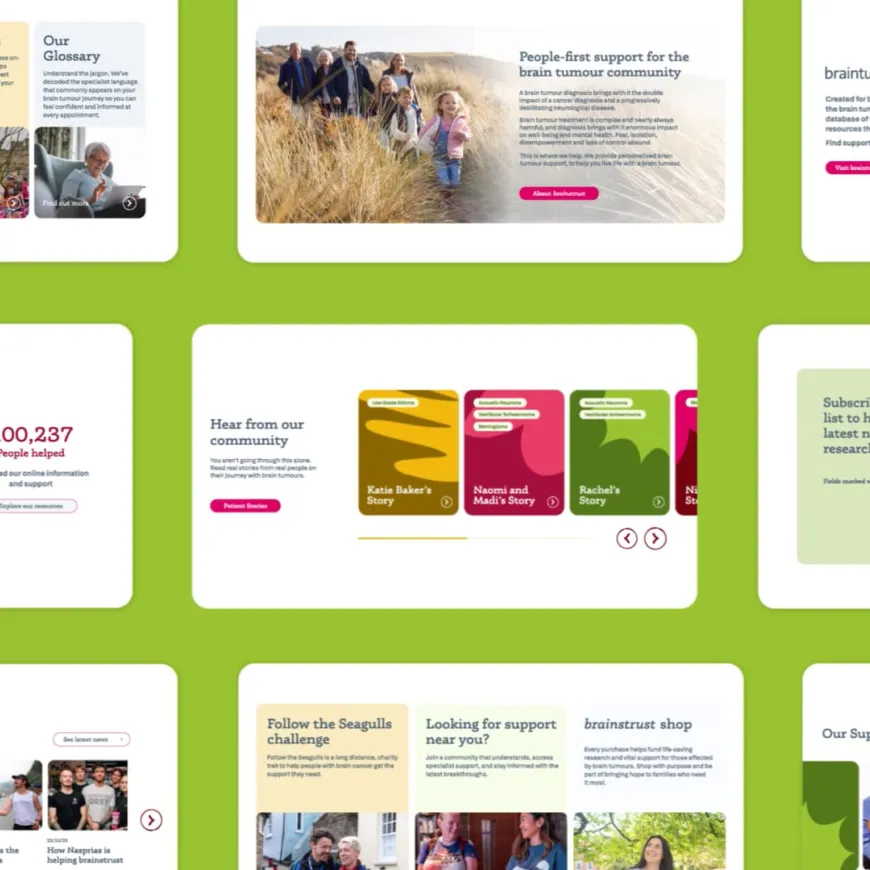
We've worked on plenty of projects where the interesting challenge sits somewhere between a conventional website and a bespoke digital platform. Brain Tumour Hub, for example, needed more than an attractive collection of pages. The project involved replacing an existing directory with a better way for people to search, filter and navigate important information. That introduces different considerations around how the content is structured, how relationships between information work and how the system can remain manageable as that information develops.
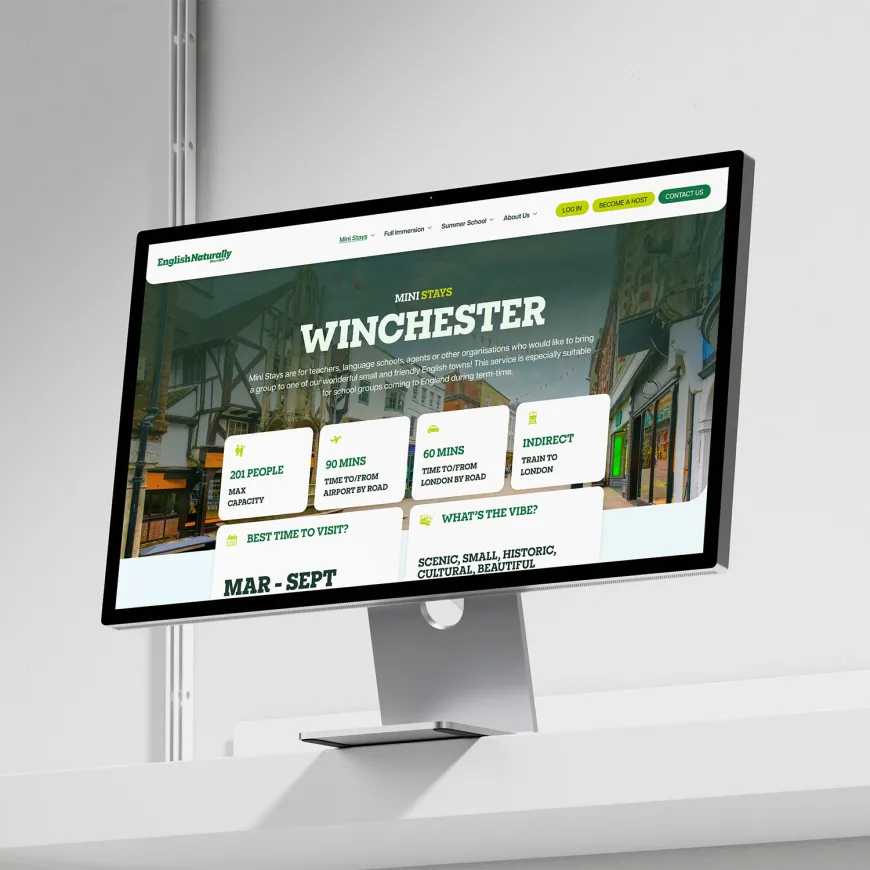
English Naturally is another interesting example because, from the outside, much of the website behaves like a fairly conventional marketing site. Behind the scenes, however, there's considerably more going on. We developed functionality to support host-family applications and dashboards, alongside integration requirements involving Maximizer, their CRM system. The website needs to communicate effectively to visitors while also supporting the operational requirements of the organisation. Those are two very different jobs, but they need to work together.
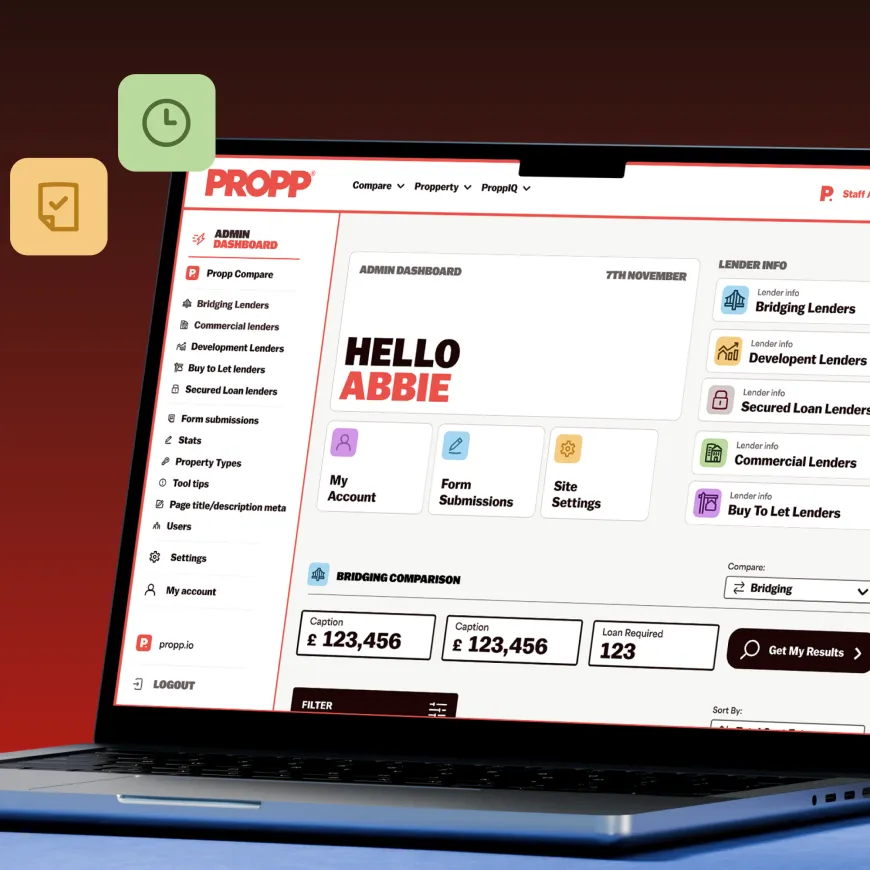
Then there's Propp, where the requirements extend into comparison functionality, external APIs and portal features. Here, the functionality isn't simply supporting the marketing website. It's a fundamental part of what the business offers. That changes how we approach the design, development and architecture, because the quality of the platform has a direct relationship with the service people are using.
What I find interesting about these projects is that they demonstrate how different the requirements can be, even when they're all initially described as websites. One might need an effective content management system and a sophisticated directory, another might need dashboards and CRM integrations, while another needs bespoke application functionality built around its core offering. They don't necessarily need the same solution, but they all benefit from understanding the longer-term requirements before committing to an approach.
Build For Today, But Think About Tomorrow
Of course, not every business has the budget to build everything it might eventually need from day one, and I wouldn't recommend doing that anyway. There's little sense in spending significant amounts of money developing features that might never be used. Sometimes the right approach is to start with a relatively straightforward WordPress website, establish the business and introduce new functionality when there's a genuine reason to do so. That's a perfectly sensible decision, particularly when budgets are limited and the future requirements are still uncertain.
But if you already know that the website is likely to become something more substantial, I think it's worth considering that before the first line of code is written. Perhaps you know you'll eventually need customer accounts, a member portal, advanced search or integrations with systems that are fundamental to your business. Those requirements don't all have to be developed immediately, but they can influence the decisions we make about the underlying architecture. In some cases, it may make sense to invest in Laravel and Statamic from the outset, launching with a relatively simple website while establishing a foundation that can accommodate the additional functionality later.
The same consideration applies to the design. We tend to work with reusable components and flexible design systems so that websites can develop without every new feature needing an entirely separate visual approach. Having an established system makes it easier to introduce new sections, interfaces and functionality while preserving the consistency of the original design. It doesn't eliminate the work involved, but it gives designers and developers something useful to build upon rather than repeatedly starting from scratch.

Ultimately, I think the important thing is recognising that the website you're commissioning today might not be the website your organisation needs in three or five years. Sometimes that change will be relatively modest. Sometimes it will fundamentally alter how the business operates. Nobody can predict every future requirement, but we can make more informed decisions about which foundations are likely to support them.
At Think, we build everything from straightforward WordPress websites through to bespoke Laravel websites and digital platforms, so we're able to approach those conversations without assuming the answer before we've understood the problem. If you're planning a new website, considering additional functionality or beginning to feel that your existing platform is struggling to keep up, we'd be happy to help work out what makes sense. That might mean improving what you've already got, building something new or developing a longer-term plan that introduces functionality as the business needs it.
Because the best website investment isn't necessarily the one that includes the most functionality on launch day. It's the one that does what you need now, without unnecessarily limiting what you can do next.